Stump Grinding vs Stump Removal: Which Is Better?
Compare stump grinding and full stump removal to decide which method is right for your San Angelo property. Learn about costs, processes, pros and cons, and replanting options for each approach.
We constantly see homeowners struggle with the aftermath of tree removal. That leftover stump is a major nuisance that attracts pests and ruins your usable yard space. Getting rid of it is the logical next step for any property owner.
Deciding between stump grinding vs stump removal: which is better?
Our team at San Angelo Texas Tree Service Pros has helped countless properties solve this exact problem. This article will break down the current 2026 data on costs, equipment requirements, and long-term yard health. Let us explore the best ways to protect your Concho Valley landscape.
How Stump Grinding Works
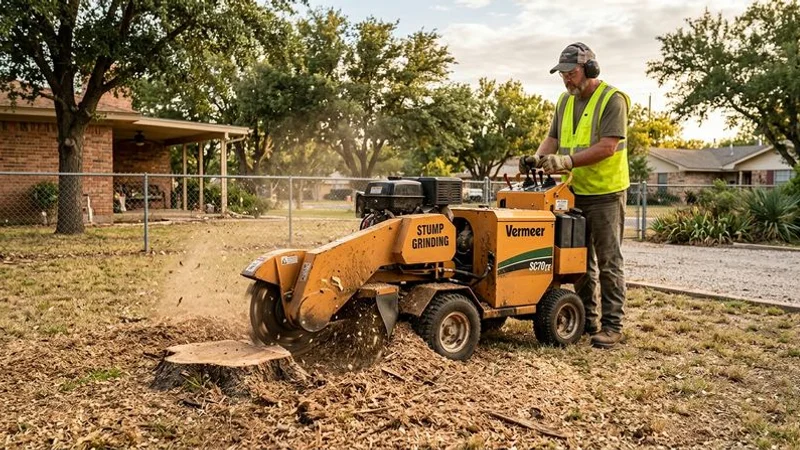
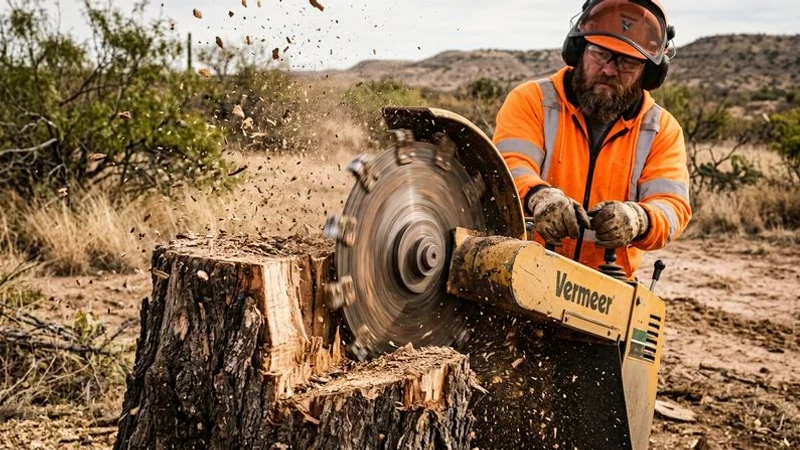
Stump grinding uses a specialized machine to completely pulverize the wood. These machines, like the popular Vermeer SC30TX or Rayco RG55, feature a high-speed rotating cutter wheel equipped with carbide teeth. The operator positions the grinder over the stump and systematically moves the wheel back and forth across the surface. This action chips away the wood a few inches at a time.
Our teams rely on various grinders depending on the stump size:
- Compact Track Grinders: Machines like the Vermeer SC30TX fit through standard 36-inch backyard gates.
- Mid-Sized Wheeled Grinders: Used for average residential stumps up to 24 inches in diameter.
- Heavy-Duty Grinders: Machines packing 74 to 120 horsepower handle massive pecan or oak stumps.
We typically take the stump down to 6 to 12 inches below ground level. The exact depth depends on your future plans for the specific spot. This process produces a massive volume of wood chips and mulch. A 24-inch pecan stump, which is very common on San Angelo properties, usually takes 30 minutes to an hour to grind.
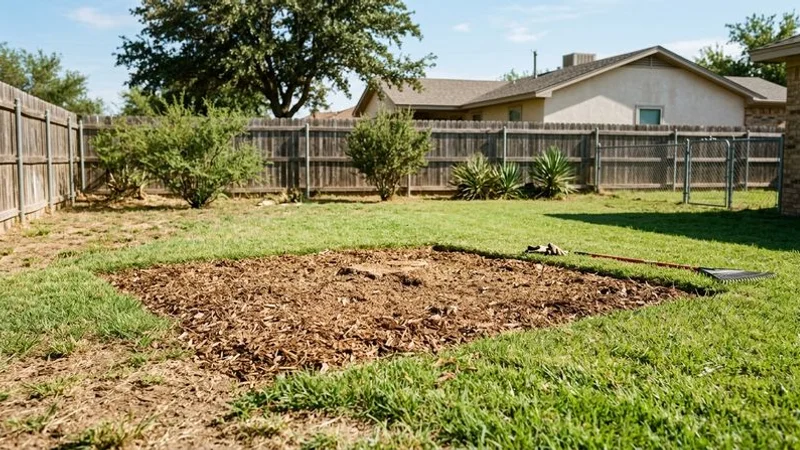
The root system remains in the ground after the visible wood is gone. These roots will gradually decompose over the next several years. Mesquite roots decompose much more slowly than softer species like cottonwood or elm.
We always warn homeowners about leaving the resulting mulch pile in place. The decaying wood pulls nitrogen from the surrounding dirt. You should remove the excess chips and replace them with quality topsoil before attempting to plant new grass.
How Full Stump Removal Works
Full stump removal, also called stump extraction, involves pulling the entire stump and its major root ball out of the earth. This heavy-duty process requires serious earthmoving equipment. A standard 2026 commercial job usually involves a Bobcat skid steer or a John Deere backhoe fitted with a specialized root rake attachment.
The operator digs deeply around the stump to expose the root system. Those lateral roots must be severed completely before the machine lifts the entire mass out of the hole.
The Impact on Your Property
Our extraction jobs leave a significant crater in your yard. The hole is often 3 to 5 feet deep and several feet wide, depending on the maturity of the tree. This massive void must be backfilled with clean soil, compacted heavily, and graded to match the surrounding terrain.
Proper soil compaction is critical during this stage. Failing to tamp down the new fill dirt properly will lead to unsightly sinkholes in your lawn after the first major rainstorm.
This approach is considerably more invasive and time-consuming than grinding. Extracting a large live oak or pecan stump in San Angelo can easily take four to six hours.
We must also factor in the logistics of debris disposal. That massive root ball requires hauling away in a large dump truck.
Cost Comparison in San Angelo
Cost is frequently the deciding factor for property owners in the Concho Valley. The price difference between the two options is substantial.
Our standard pricing models align with 2026 regional averages across West Texas. Most tree care professionals charge a per-inch rate for grinding, typically landing between $3 and $5 per inch of the stump diameter.
Full extraction requires heavy machinery, extended labor hours, and specialized hauling. This level of effort easily pushes the price two to three times higher than a standard grinding service.
Here is a clear breakdown of average costs you can expect in the San Angelo market:
| Stump Size (Diameter) | Average Grinding Cost | Average Full Removal Cost |
|---|---|---|
| Small (Under 12 inches) | $100 to $200 | $250 to $500 |
| Medium (12 to 24 inches) | $200 to $400 | $500 to $1,000 |
| Large (24 to 36 inches) | $400 to $600 | $1,000 to $2,000 |
| Very Large (Over 36 inches) | $600 to $1,000 | $2,000 to $3,500 |
We always recommend asking for volume discounts. Processing multiple stumps during a single service visit significantly reduces the per-stump cost for the homeowner.
Pros and Cons of Stump Grinding
The Advantages of Grinding
Our clients frequently choose grinding for its minimal impact on the surrounding property. The benefits include:
- Cost Efficiency: The process is significantly cheaper than full extraction.
- Speed and Convenience: Modern grinders finish the job quickly with minimal disruption to your yard.
- Landscape Protection: The equipment fits through tight spaces between fences and buildings without damaging nearby trees.
- Free Landscaping Material: Grinding produces usable mulch for your garden beds.
- No Excavation Required: You avoid dealing with a massive hole and the need for backfill soil.
The Disadvantages of Grinding
You must consider the long-term implications of leaving the root system underground. The drawbacks include:
- Pest Attraction Risks: Subterranean termites cause billions in property damage annually across the US. Leaving decaying wood in the ground can attract these pests if the stump is too close to your home’s foundation.
- Root Sprouting: Certain stubborn species, particularly mesquite and chinaberry, may send up aggressive sprouts from the remaining roots.
- Construction Limitations: You cannot pour a concrete foundation or build a permanent structure directly over the ground area until the roots fully decompose.
- Gradual Settling: The ground may sink slightly over the years as the buried roots slowly decay.
Pros and Cons of Full Stump Removal
The Advantages of Extraction
We recommend extraction when a totally clean slate is required. The benefits are absolute:
- Complete Elimination: You remove the entire stump and all major root clusters.
- Immediate Construction Readiness: The site is instantly ready for a new patio, driveway, or retaining wall.
- Zero Regrowth Risk: Extracting the root ball completely eliminates any chance of annoying root sprouts.
- Stable Ground: You remove the risk of subsurface decay causing unexpected settling under your lawn.
The Disadvantages of Extraction
This heavy-duty process brings significant collateral damage to the surrounding environment. The drawbacks include:
- High Expense: Heavy machinery and extended labor double or triple the total cost.
- Severe Landscape Disruption: Excavators can easily crack driveways, crush sidewalks, and sever buried irrigation lines.
- Extensive Repair Work: You must purchase backfill soil, compact the dirt, and completely regrade the area.
- Debris Management: The project generates a massive amount of heavy, awkward debris that requires commercial hauling.
- Placement Restrictions: Extraction is simply not practical or safe for stumps located immediately next to foundations or municipal utilities.
When Stump Grinding Is the Better Choice
For most residential properties in San Angelo, grinding is the smartest choice. It offers the best balance of speed and affordability.
We find this method is the right choice under several common conditions:
- Replanting Grass: Once you remove the fresh grindings and add a layer of topsoil, new grass will easily grow over the spot within a single season.
- Proximity to Utilities: Grinding causes minimal subsurface disturbance. This makes it the safest option near foundations, fences, and buried lines. You should always contact Texas 811 to mark underground utilities before any digging begins.
- Budget Constraints: Grinding delivers excellent aesthetic results at a fraction of the cost of full extraction.
- Volume Projects: The per-stump rate drops significantly when your contractor grinds several stumps during one visit.
- Preserving the Yard: A professional crew can finish the job in a few hours while leaving the rest of your landscape perfectly intact.
When Full Stump Removal Is the Better Choice
Full removal makes sense in a few highly specific situations. You must prioritize extraction over grinding when future plans demand clear soil.
Our team insists on full extraction for these scenarios:
- Future Construction Sites: If a patio, driveway, or foundation will go where the stump currently sits, you need complete extraction to avoid dangerous concrete settling.
- Diseased Root Systems: Cotton root rot (Phymatotrichopsis omnivora) is a devastating soil-borne disease prevalent in West Texas. This fungus can persist in remaining roots. Full removal aggressively reduces the risk of infecting your new plantings.
- Exact Replanting: Removing the old root mass gives a new tree the necessary room to establish its own roots. This prevents the new sapling from competing with the decaying wood for nutrients.
Replanting After Stump Grinding or Removal
If you plan to plant a new tree where the old one stood, your approach must change based on the removal method. Preparation is key to ensuring your new plant thrives.
After grinding a stump, wait at least one full growing season before planting a new tree in that exact spot. You need to remove as much of the leftover wood chip material as possible. Replace those chips with high-quality topsoil.
We suggest planting the new tree slightly offset from the exact center of the old stump. This simple shift helps the sapling avoid the densest concentration of decaying roots. In the notoriously alkaline soils of San Angelo, generously amending the planting area with compost will help the new tree establish strong roots.
Ideal Tree Species for West Texas
After full removal, the timeline accelerates. You can plant a new tree as soon as the massive hole is properly backfilled and the fresh soil has settled. This settling period typically takes just a few weeks.
The area serves as a fresh planting site with zero old root competition. Regardless of the cleanup method, you must choose a replacement species suited to the harsh West Texas climate. The Texas A&M AgriLife Extension specifically recommends tough, drought-tolerant varieties for Tom Green County.
Our favorite local recommendations include:
- Chinkapin Oak: A hardy shade tree with excellent heat tolerance.
- Bur Oak: A massive, resilient native species.
- Desert Willow: A beautiful ornamental tree requiring minimal water.
- Texas Red Oak: Provides excellent fall color and deep root stability.
These native varieties will thrive with far less water than the thirsty, non-native species that constantly struggle to survive here.
Making Your Decision
For the vast majority of property owners, stump grinding offers the perfect balance of cost, convenience, and excellent visual results. Grinding gets the job done efficiently and affordably.
You really only need full extraction if you are facing an active construction project or a dangerous root disease. Deciding between stump grinding vs stump removal: which is better? The answer always depends on your specific yard goals.
Our professionals are ready to help you make the right choice today. Contact San Angelo Texas Tree Service Pros for a free, comprehensive stump assessment. We will evaluate your yard, discuss your long-term plans, and execute the most practical approach for your specific budget.
Tags: